
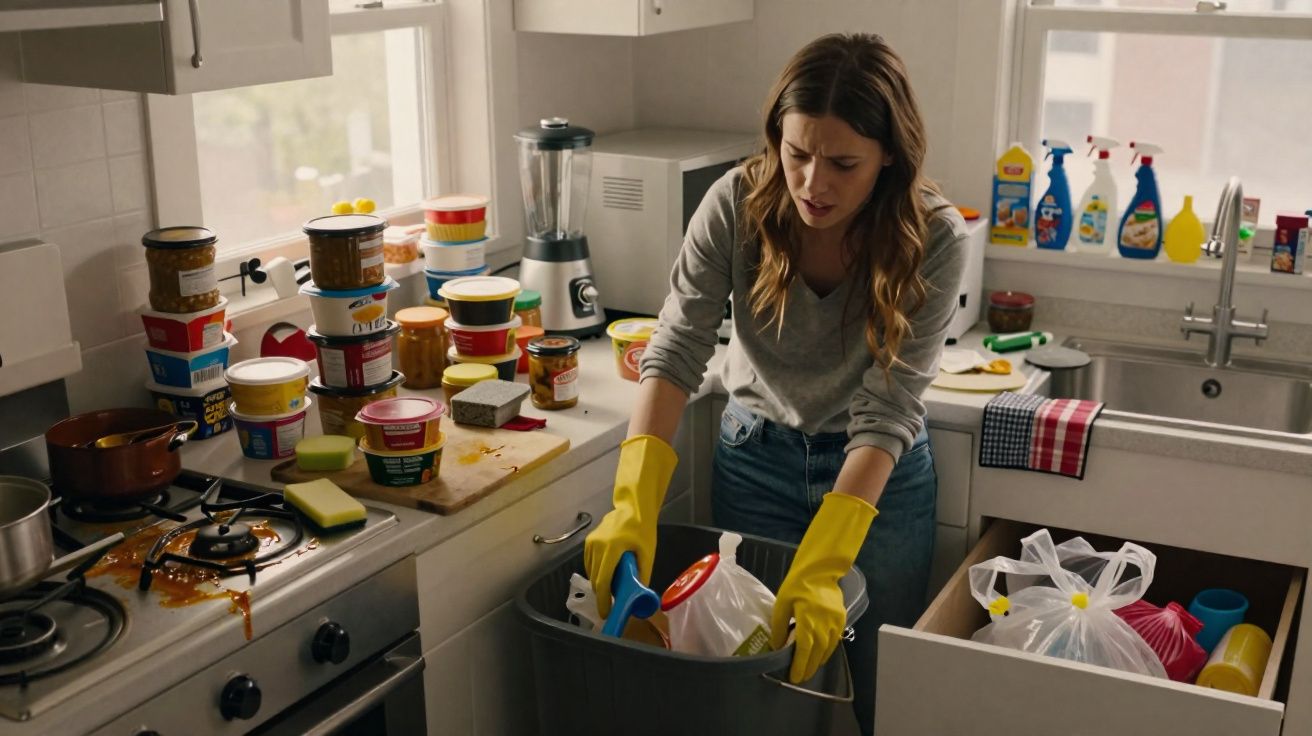
Step into anyone’s home and make a beeline for the kitchen: it’s the one room that quietly gives away routines, priorities and the sort of chaos people don’t realise they’re living with.
Soft furnishings can distract, and a nice candle can mask a lot, but the kitchen is far harder to fake. Visitors notice what’s left on the worktops, what’s lurking at the back of cupboards, and which “temporary” piles have clearly been there for ages. This isn’t a call for showroom perfection - but there are certain things that, according to cleaning and organisation experts, instantly read as clutter, neglect or poor hygiene.
Why the kitchen tells the truth about a home
A living room can be made presentable in five minutes: cushions straightened, blankets folded, toys swept into baskets. Kitchens don’t work like that. They hold onto smells, stains and long-term patterns - what you cook, how often you wipe down, what you keep “just in case”.
A well-kept kitchen is less about appearances and more about food safety, reduced mental load and making everyday life run smoothly.
Studies exploring household stress regularly connect visible clutter with increased cortisol. In the kitchen - where raw ingredients, sharp knives and hot hobs sit side by side - that kind of mess is particularly unhelpful.
1. Mountains of expired food
Everyone has the occasional forgotten yoghurt, but when a sizeable chunk of the fridge is out of date, it’s obvious - and not only to guests.
- Review “use by” dates every week.
- Check leftovers properly (smell and appearance) before reheating.
- Put new groceries behind older ones so the older items get used first.
Mouldy sauces, half-opened tins corroding in the fridge, and mystery leftovers turning grey in plastic tubs all increase the risk of food poisoning. They also create lingering odours that can affect fresh food stored nearby.
2. A bin that constantly overflows
A kitchen bin or food-waste caddy that’s always crammed full signals that cleaning is being postponed. The issue isn’t just unpleasant smells: decomposing food encourages flies and fruit flies, and can even entice mice.
If the moment you lift the lid you can smell last night’s curry, it’s already been left too long.
Use bin liners, regularly wipe the rim and lid, and give the whole bin a thorough wash with hot, soapy water at least monthly. If your council provides a food-waste caddy, keeping it clean and emptying it often makes a noticeable difference to odours.
3. Plastic bags and packaging stuffed everywhere
The “bag of bags” used to be a running joke; in many kitchens it has multiplied into several bags, a box of packaging and a drawer jammed with takeaway tubs. Beyond a modest reserve, the rest is simply visual noise that steals storage space.
A sensible limit is whatever fits neatly into one carrier bag or a small organiser. Recycle what you can and pass on usable spares. Otherwise, each time you open a cupboard you’re met with a cascade of crinkly plastic and cardboard.
4. Broken gadgets that never get repaired
The blender missing its lid, a toaster that only behaves if you hold the lever down, or a coffee machine “waiting for a part” for over a year - these broken gadgets occupy valuable drawers and worktops while doing nothing useful.
A broken gadget is either a weekend fix or it’s clutter - there’s rarely an in-between.
Set a deadline: repair it this month, or dispose of it responsibly. If it can’t help you cook as intended, it doesn’t deserve prime kitchen space.
5. Non-kitchen junk living in the kitchen
Post, keys, school letters, chargers, odd tools, makeup, dog leads - the kitchen often becomes the household’s default drop zone. A small amount is realistic, but large piles advertise disorganisation and make wiping down far harder.
| Common “junk” item | Better home |
|---|---|
| Letters and bills | A dedicated in-tray or desk space |
| Tools and DIY bits | Toolbox in a cupboard, shed or garage |
| Makeup and cosmetics | Bedroom or bathroom cabinet |
| Pet toys and leads | Basket by the front or back door |
Once non-kitchen items are relocated, cleaning stops being a drawn-out job and becomes a quick, everyday task.
6. Old sponges and filthy dishcloths
A grimy, sour sponge parked by the sink is a subtle warning sign. Research has shown that used kitchen sponges can hold large numbers of bacteria, including types associated with foodborne illness.
If your sponge smells, it isn’t “a bit used” - it’s a bacteria hotel pressed against your plates.
Replace sponges and cloths frequently, or switch to washable microfibre cloths and hot-wash them regularly. Whatever you use, let it dry fully between uses, because damp conditions accelerate bacterial growth.
7. Open food on counters inviting pests
Uncovered fruit bowls, sugar left open, and bread permanently on the worktop can look welcoming - but they can also draw ants, flies and even rodents, particularly in city flats.
Crumbs around the toaster, sticky jam jars, and open pet food are classic pest magnets. Once insects or mice become established, getting rid of them often involves harsh treatments or professional pest control.
8. Unsafe cleaning chemicals near food
It’s common to find oven cleaner, bleach and drain unblocker stored right beside saucepans and baking trays - especially in smaller kitchens. That’s a genuine risk, particularly with children present.
Keep anything corrosive or poisonous away from food, and never pour chemicals into unlabelled containers.
Check the warnings: “corrosive”, “toxic”, “irritant”. Store these products in a high cupboard or in a separate area away from everyday cooking kit, and always secure lids properly to prevent fumes affecting pantry items.
9. Too many rarely used appliances
Kitchen appliances and the cluttered-counter syndrome
Air fryer, stand mixer, juicer, slow cooker, coffee machine, blender, toaster, waffle maker - if every appliance lives on the worktop, you lose the space you actually need for chopping and preparing meals. A kitchen that looks like an appliance display often forces you to cook in a cramped corner.
A practical guideline: if you use something less than once a week, it doesn’t need a permanent spot on the countertop. Store it away, or reconsider whether it’s worth keeping.
10. Grease, dust and sticky residue
A greasy extractor hood, dust-coated light fittings and tacky cupboard handles create an immediate impression - not of yesterday’s rushed dinner, but of months of delayed cleaning.
Grease attracts dust, and together they cling to nearby surfaces, from cupboard fronts to ceiling corners.
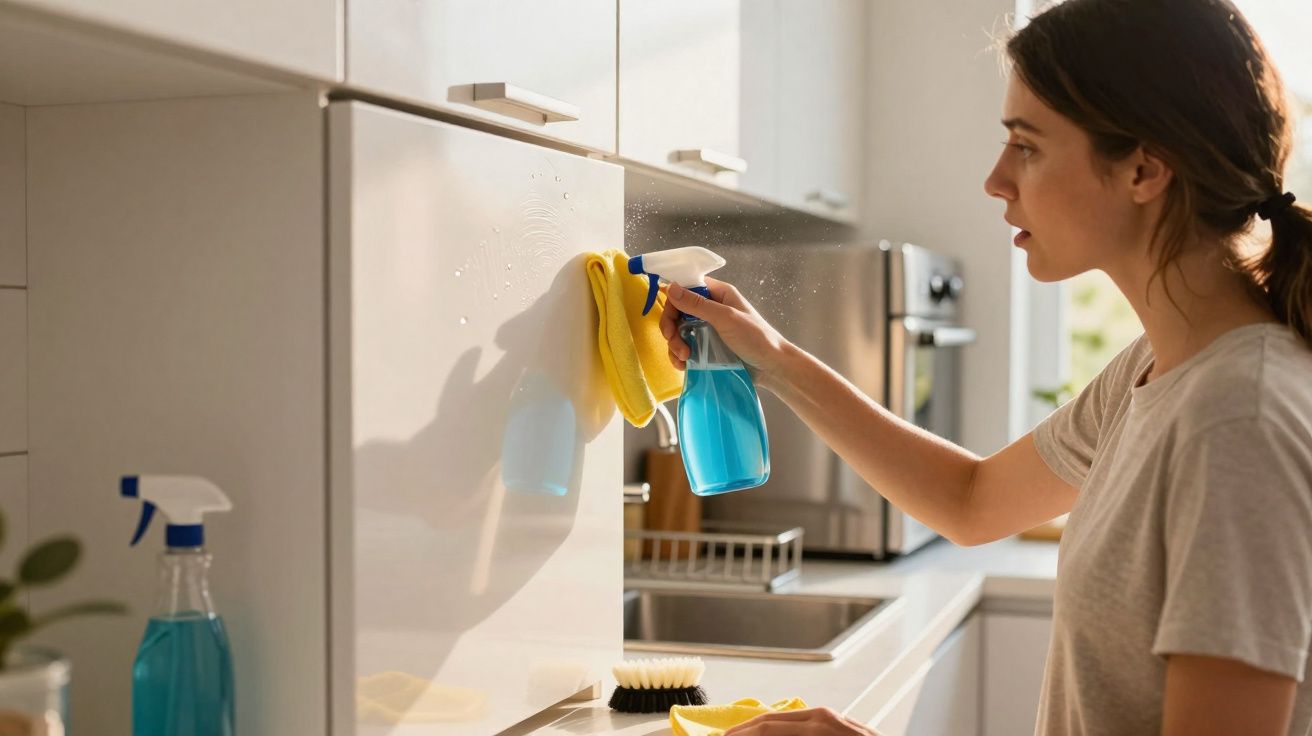
It’s also not purely cosmetic: heavy grease build-up can become a fire risk, particularly around ovens and hobs. A quick wipe after cooking plus a more thorough clean once a month keeps it manageable.
How to reset a “bad” kitchen without losing a weekend
You don’t need a renovation or an elaborate social-media system. What helps most is a straightforward audit. Stand still and scan the room from top to bottom and left to right. Anything unused for six months, anything clearly broken, and anything that smells “off” should be questioned.
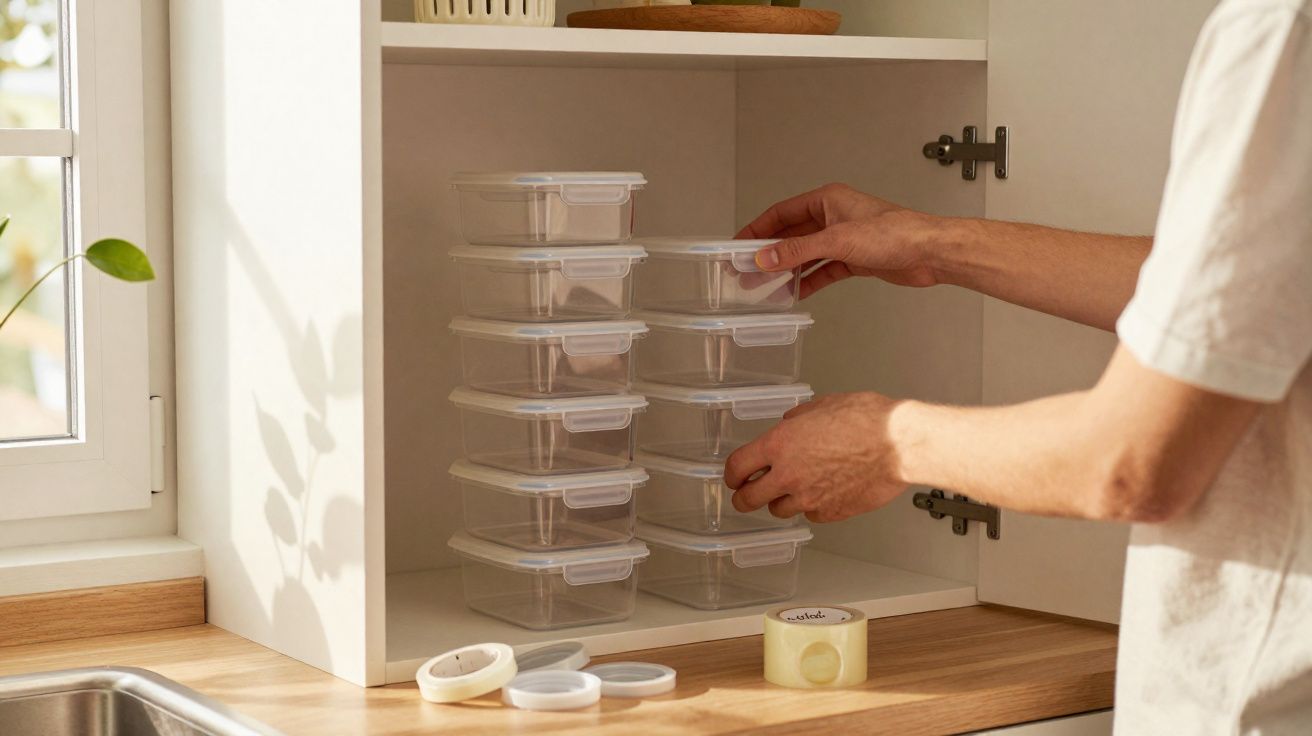
Choose one zone per day - fridge, pantry, worktops, under-sink cupboard - set a 20-minute timer, and only do three things: throw away rubbish, put recycling where it belongs, and wipe surfaces. Small daily efforts create a lasting routine instead of one exhausting clear-out.
A helpful add-on is to create a simple “landing spot” rule: keep one small tray or basket for temporary items (like keys or post) and empty it daily. That single boundary prevents the worktop from turning back into a dumping ground.
Why these things matter beyond appearances
A cleaner, clearer kitchen lowers the risk of cross-contamination, pests and accidents. There’s also a wellbeing angle: many people find that starting the day in a tidy kitchen changes the tone of the morning. Even a cup of tea feels easier when you’re not shifting last night’s plates to find the kettle.
It can save money as well. When cupboards are packed with old packets and duplicated ingredients, it’s easy to forget what you already have and buy it again. Regular clear-outs reduce food waste, prevent repeat purchases, and make room for items you genuinely use.
Small scenarios that show the difference
Imagine two weeknights after work. In the first, you open a fridge full of unlabelled tubs, sticky shelves and limp herbs. You close the door, order a takeaway and feel mildly annoyed with yourself. In the second, the shelves are clear, ingredients are visible and the bin isn’t overflowing - throwing together pasta and vegetables feels doable rather than daunting.
Now think about having people round. A friend offers to help and asks, “Where are the glasses?” In a streamlined kitchen, you answer instantly. In a cluttered one, you end up shifting plastic bags, broken gadgets and piles of post just to reach the cupboard. The difference isn’t only embarrassment - it’s daily friction that quietly drains time and energy.
This isn’t about spotless perfection or judging anyone’s home. It’s about removing ten specific types of clutter that make cooking, cleaning and living more difficult than they need to be. Clear them out, and the kitchen becomes a room that supports you rather than one that constantly demands attention.



Comments
No comments yet. Be the first to comment!
Leave a Comment