
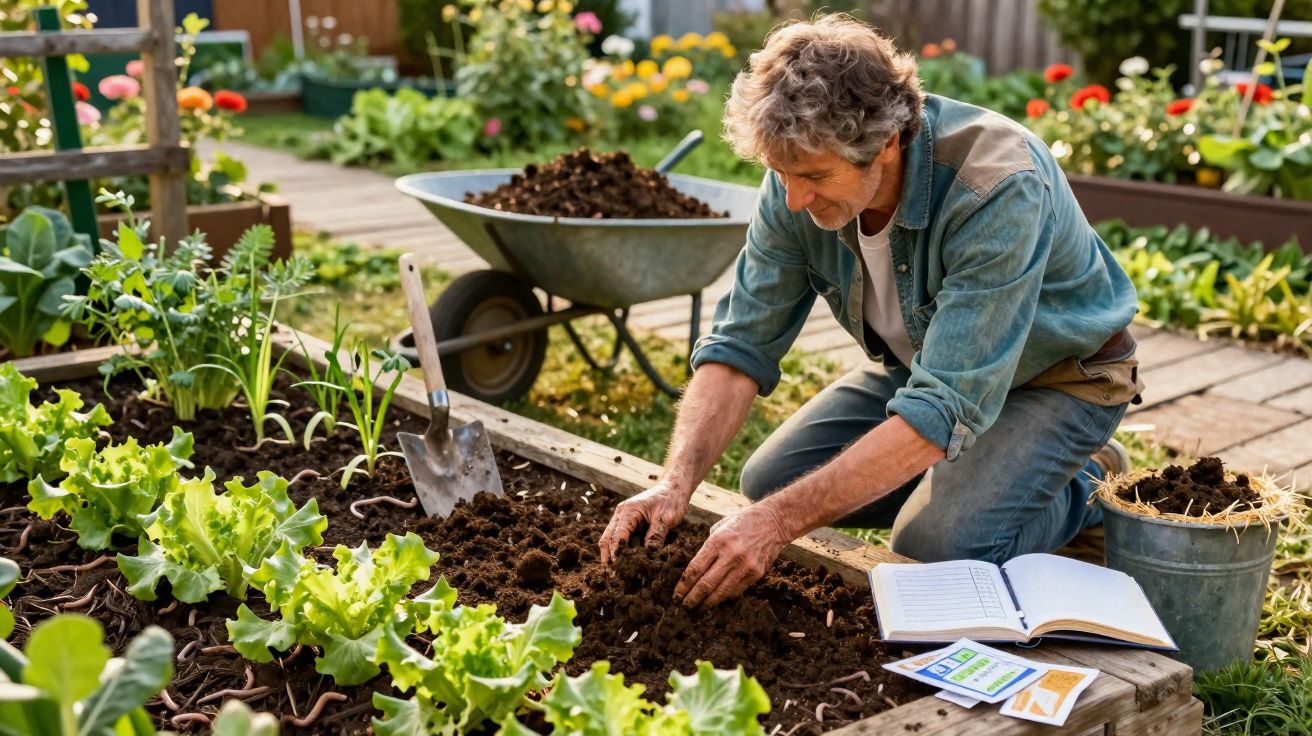
The first spring I chose not to dig over my vegetable beds felt almost like I was cheating.
My fork and spade stayed leaning against the shed while I stood in the middle of the plot with my hands in my pockets, looking at soil I’d always treated like a workout. No blisters. No sore back. No neat stripes of freshly turned earth. Only last year’s mulch, a few persistent weeds, and a nagging sense I was neglecting something important.
But as the weeks passed, nothing fell apart. The beds didn’t turn into a wilderness. The soil didn’t set like cement. Seeds still came up. Worms seemed to be everywhere. The more I left things alone, the more the garden appeared to sort itself out.
Something was clearly going on beneath the surface.
When I put the spade down, my no-dig garden changed
For years, early spring followed the same script: haul out the tools, double-dig each bed, and flip the soil until it looked like the pictures in a seed catalogue-dark, fine and perfectly “worked”. In my head, that was what a proper gardener did: clean, straight, freshly tilled rows that looked great in photos and won approving nods from passing neighbours.
What I didn’t like was what came afterwards. After the first rain, the top would set into a hard crust. Weeds would surge back faster than anything I’d planted, taking advantage of all that exposed soil. By the second weekend, my shoulders and lower back were aching. I never questioned it; I just assumed gardening was supposed to hurt.
The change happened one March when work was manic, the children were ill, and the brief spell of diggable weather disappeared before I could get to it. When I finally had a free day, the soil had dried out, my energy had gone, and-partly out of tiredness-I simply pulled back the old mulch and tucked my seeds straight in.
I expected a disaster. Instead, I got the opposite. The carrots germinated more evenly. The lettuce bed held on to moisture through a dry patch, while my neighbour’s freshly tilled plot opened up with cracks like a desert floor. He was watering every day. I was standing there with a coffee thinking, “Have I accidentally found a shortcut?”
That was the point I started reading properly about no-dig and no-till gardening-and realised my “lazy spring” matched what soil scientists have been explaining for years. Turning soil breaks up its natural structure, tears through fungal networks, and brings dormant weed seeds to the surface, where light triggers them to sprout. It also accelerates the loss of organic matter, meaning the soil gradually becomes less fertile and more demanding.
Once that clicked, my old pattern suddenly made sense: the crusting, the weed explosions, the constant need for fertiliser. I hadn’t been building soil year after year-I’d been resetting it every single spring.
How I garden now: no-dig (no-till) vegetables with compost and mulch
In my first true no-dig spring, I approached the beds like I was gently rearranging a room, not starting a building job. In late winter I walked the plot, removed any large perennial weeds, and left the fine roots in the ground. Then I added a generous layer of compost-about 2–3 centimetres on beds that were already in reasonable shape, and more where the soil had been tired and hungry.
No turning. No mixing. Just spreading. The worms and other soil life handled the “incorporating”.
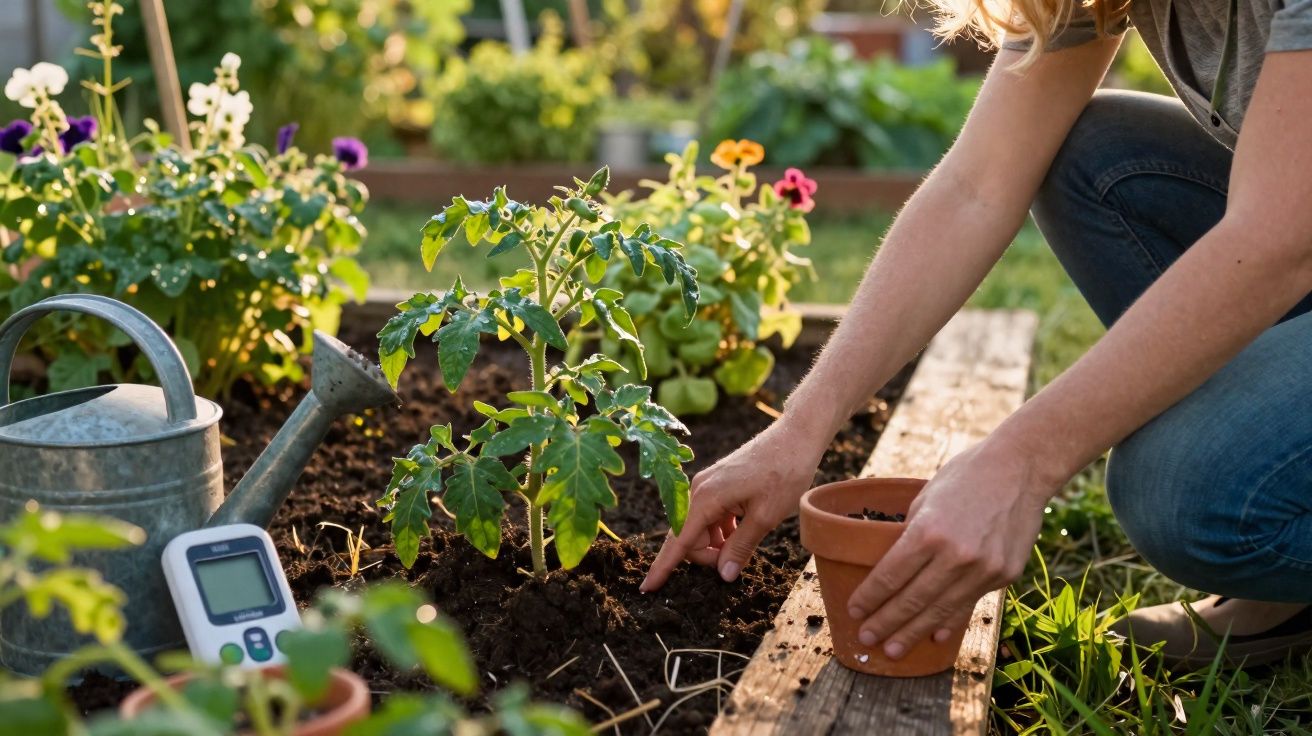
For planting, I make small holes through the compost layer for seedlings. For sowing, I use the finer compost at the surface and sow directly into that soft top layer. The soil stays covered much of the time, more like a woodland floor than an exposed patch of bare earth-and the reduction in physical effort is almost comical.
A couple of traps nearly dragged me back into old habits. The first is impatience: in spring, beds can look untidy under half-rotted leaves and old mulch, and it’s very tempting to “tidy” with a fork. The second is the common belief that heavy clay or compacted soil can only be fixed with a heroic digging session.
What helped was treating year one as a transition rather than a test. I did use a fork once, but only to gently loosen truly compacted patches: push the tines in, rock back slightly, and move on-no flipping big slabs. After that, I stopped. Each year the soil became easier to work as roots, worms and time did the slow, steady job my spade used to attempt in a single afternoon.
A seasoned gardener once said to me over the fence: “The hardest part of no-dig isn’t the soil-it’s your brain letting go of needing to see everything turned.” That was exactly the argument going on in my head.
No-dig spring checklist for vegetable beds
What I still do in spring
Lightly rake off larger debris, apply compost as a top-dressing, plant or sow, then cover any exposed areas with mulch again as soon as seedlings are established enough not to be smothered.Common mistakes to avoid
Digging “just a bit” every year, leaving broad patches of bare soil, using thick or woody mulch directly where you want to sow seeds, and expecting instant miracles in ground that’s been heavily abused.Small details that make a big difference
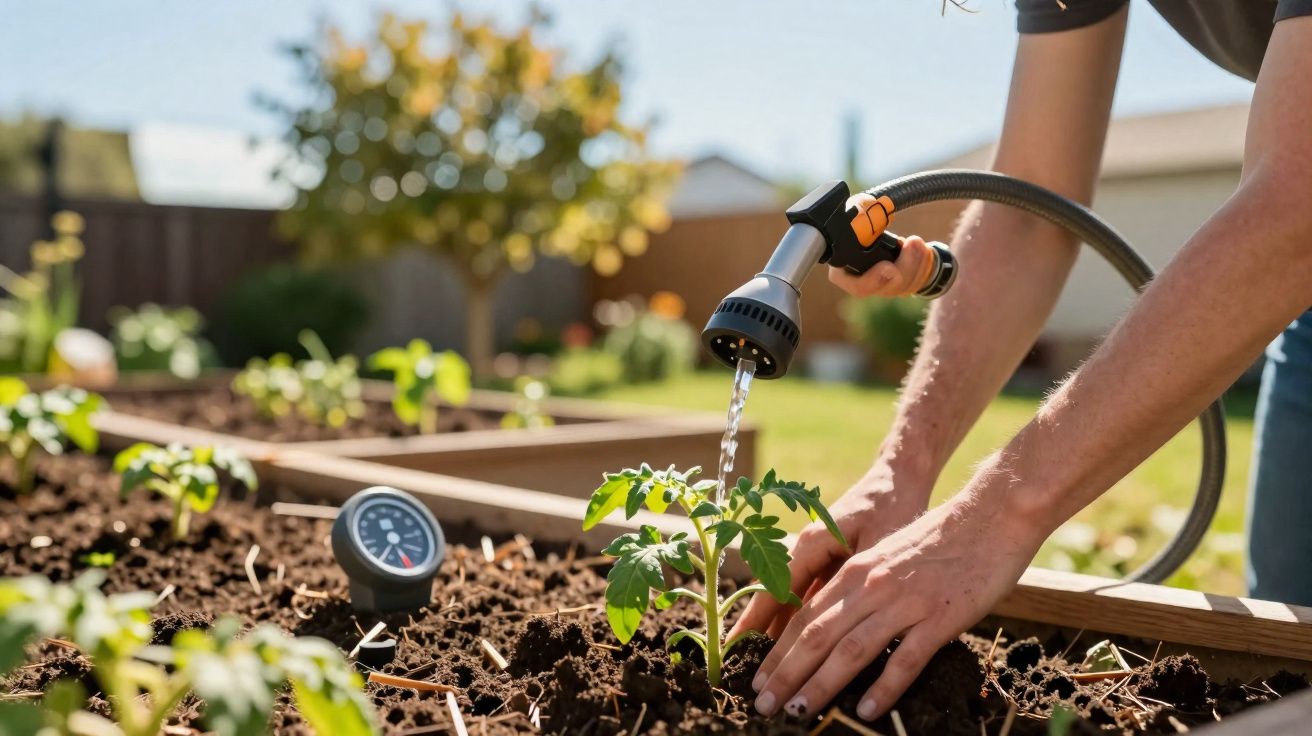
Using fine compost in seed areas, watering deeply but less often, keeping paths clearly defined so beds aren’t walked on, and adding one fresh organic layer each year-even if it’s only a thin one.
One extra tool that helped me commit to no-till is sheet mulching. Where weeds were persistent, I laid plain cardboard on the soil (no plastic tape), soaked it, and covered it with compost and mulch. It suppresses growth without turning the ground, and by the time the season is underway it begins to break down.
It’s also worth planning around the side-effects: a covered, moist surface can mean more slugs and snails in some gardens. I’ve found it helps to keep mulch pulled back slightly from very young seedlings, water in the morning rather than the evening, and encourage natural predators by leaving a little habitat (for example, a log pile in a quiet corner).
The unexpected relief of doing less and noticing more
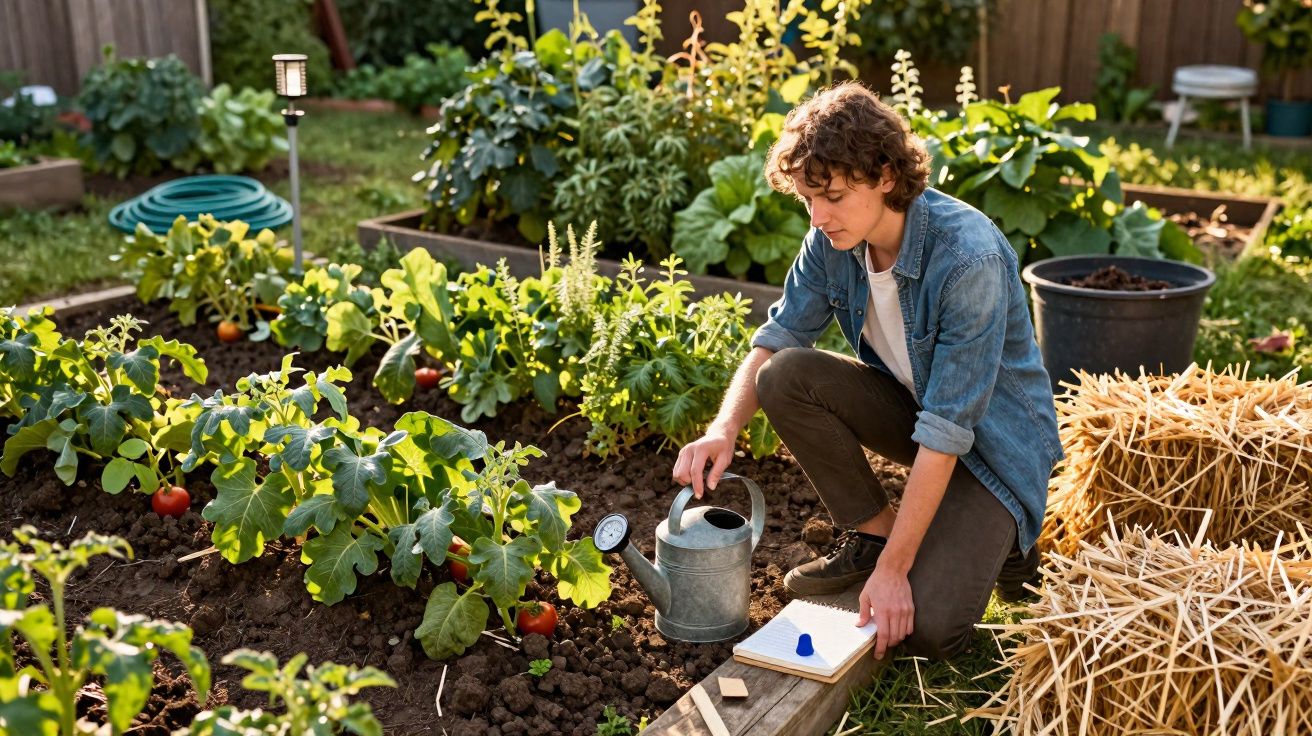
The biggest surprise wasn’t only healthier soil-it was how my relationship with the garden shifted when I stopped battling it every March. The ritual changed from “attack the ground” to “observe what’s happening”. Instead of dragging out heavy tools, I’d walk the beds with a mug of tea, lift a corner of mulch, watch worms wriggle away, and press a finger into the soil to check moisture.
That small change altered the whole feel of spring. The garden started to feel like somewhere I belonged, not a job I had to control. Many of us have had a hobby quietly turn into a chore we avoid; for me, no-dig was the route back to enjoying it.
| Key point | Detail | Value for the reader |
|---|---|---|
| Less digging, less work | Swap annual turning for a simple compost layer | Fewer hours of hard labour and more time actually enjoying the garden |
| Soil life does the “hidden” job | Roots, fungi and worms rebuild soil structure naturally | Stronger plants and better resilience to drought and heavy rain |
| Gardening becomes calmer | Move from aggressive spring tilling to light, regular care | Lower stress, more satisfaction, and a garden that feels manageable |
FAQ: no-dig / no-till gardening
Question 1: Will my soil become compacted if I never dig it?
Not usually-provided you stop walking on the beds and keep adding organic matter. Compaction most often comes from foot traffic and heavy handling. In a no-dig system, compost and mulch feed soil life, while roots and worms create channels that improve aeration and drainage. If an area is already badly compacted, gentle loosening with a fork (without turning) can help as a one-off reset.Question 2: Can no-dig work in heavy clay soils?
Yes. Heavy clay can actually respond very well to no-dig because you’re not repeatedly smashing apart the structure and leaving it exposed to rain, which can cause sealing and crusting. The key is consistent top-dressing with compost and keeping the surface covered with mulch. Improvement is gradual, but it’s real-and you avoid the “dig, bake, crack” cycle that clay often falls into when it’s overworked.Question 3: What do I do with weeds if I stop turning the soil?
You focus on removal and prevention rather than stirring them up. Pull or dig out perennial weeds at the root as early as you can, then keep the soil covered with mulch to block light and slow new growth. The bonus is you’re no longer bringing buried weed seeds to the surface each spring, so over time you should see fewer annual weeds germinating.Question 4: Do I still need fertiliser with a no-dig system?
You may need less, especially if you apply good compost regularly. Compost adds nutrients and, just as importantly, supports the soil food web that makes those nutrients available to plants. Heavy-feeding crops can still benefit from targeted feeding (for example, an organic fertiliser or well-rotted manure), but the overall reliance on bottled inputs often drops as soil health improves.Question 5: Is no-dig gardening only for vegetables?
No. No-dig principles apply to flower beds, shrubs and even many ornamental borders: keep soil disturbance minimal, feed the surface with organic matter, and protect the ground with mulch. Vegetables are simply where many people notice the difference quickly because the beds are worked so often in conventional systems.


Comments
No comments yet. Be the first to comment!
Leave a Comment