
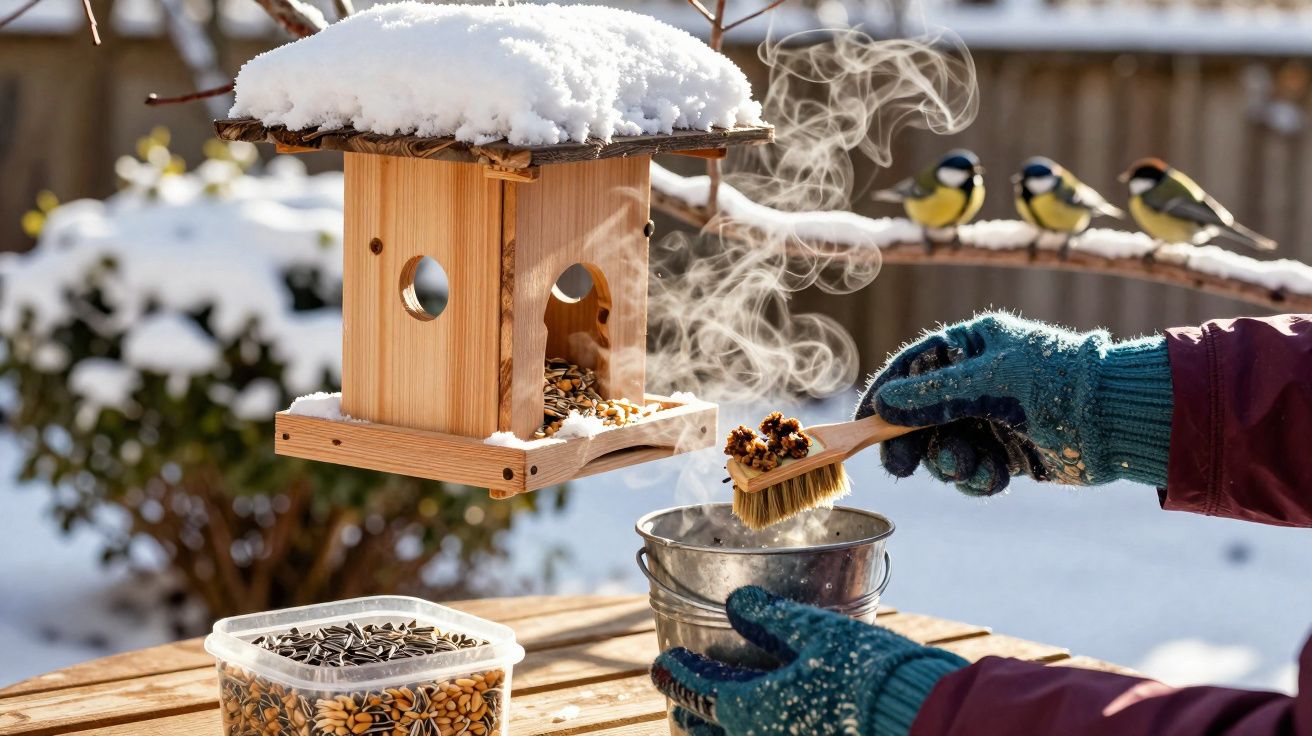
In many gardens, the bird table for tits, sparrows and robins is the only lively spot in an otherwise grey January landscape. You tip in the seed cheerfully, watch the birds pecking away, and feel that you are helping. In reality, one inconspicuous detail decides whether winter feeding saves lives or makes birds ill: the condition of the seed.
A well-meant feeding station can quickly become a serious risk if the contents are not dry and clean. Rain, snow and persistently damp air are enough to turn harmless-looking seed into a breeding ground for disease, especially when birds are relying on every calorie to get through the coldest part of the year.
Good intentions, serious risk: when bird food becomes a health trap
Winter bird feeding is part of the routine for many keen gardeners. Anyone with a love of wildlife puts up feeders and tops them up as soon as temperatures drop. The problem starts the moment wet weather enters the picture. Damp seed may look harmless, but it changes within hours.
Around 20 January, many regions face their harshest conditions: cold rain, little natural food and frozen ground. At exactly this point, birds depend on every available calorie. If stale, moist or even mouldy seed is offered then, the birds are harmed at the very moment they are most vulnerable.
Even slightly damp seed can turn from a useful energy source into a dangerous source of disease in a very short time.
Damp seed: ideal breeding ground for fungi and bacteria
As soon as moisture gets into a feeder, a process begins that is hard to spot from the outside. The seed swells, the husks soften and micro-organisms take hold. Fungi and bacteria thrive in these conditions, especially when temperatures hover around freezing and nothing dries properly.
Moulds such as Aspergillus are particularly concerning. They can colonise damp seed without any obvious fluffy growth appearing straight away. Birds may inhale the spores or take them in with the food. The consequences range from breathing difficulties to severe fungal infections inside the body.
There is also the bacterial risk. Spoiled feed can harbour pathogens such as salmonella. At busy feeding stations, one infected bird is enough to contaminate the whole site. Any bird that feeds from the same tray can pick up the infection very easily.
Warning signs at the feeding station
Look out for:
- seed that has clumped together, turned sticky or changed colour significantly
- an unpleasant, slightly fermented smell
- black or grey-green patches on the seed or around the edge of the feeder
- more dead or listless birds near the garden than usual
If the seed looks slimy, discoloured or rotten, the entire contents of the feeder should be thrown away immediately.
Frost danger: when the food turns into a solid block
The second major trap appears when frost follows rain or thawing weather. Once seed has absorbed water and then freezes through, it forms a hard lump that small birds can barely break apart. From the outside the feeder still looks full, but in practice the birds can hardly reach any usable food.
For a small songbird, every calorie matters in winter. If it spends minutes pecking at an ice block without managing to dislodge enough seed, it burns more energy than it gains. On especially cold nights, that can make the difference between life and death.
The risk is especially high with:
- open trays or boards without a protective roof
- cheap seed mixes that absorb water quickly
- food that has been left untouched for several days
The right setup: keeping bird food dry and safe
Anyone who genuinely wants to support birds needs to think of the feeding area as a small supply station. The design of the feeder determines hygiene and safety.
Choosing the right feeder for winter bird feeding
Tube-style feeders made from sturdy plastic or metal have proved particularly effective. The seed drops out only little by little through a small opening. Rain and snow have far less chance of reaching the contents than with flat boards or open bird tables.
What matters in a feeder:
- a largely enclosed design with small feeding openings
- durable material that can be cleaned properly
- no corners where water can collect
- a lid that can be removed easily for quick refilling
Best place in the garden
The location in the garden or on the balcony is at least as important as the design. A feeder placed directly in the wind or left exposed to the rain is bound to cause problems.
An ideal site is:
- under a roof overhang or balcony
- close to a dense hedge that breaks wind and driving rain
- with a clear flight path so cats have no chance
Small protective roofs or transparent feeder domes are also practical. They deflect rain, let in light and create a dry area for the seed.
A further useful measure is to keep feeders away from large panes of glass. Birds can be injured by collisions, so a feeding place should be positioned where the flight line is clear and easy to see. It also helps to have a shallow source of clean water nearby, refreshed regularly, because birds need drinking water just as much as food in cold weather.
Daily habits: how to feed birds safely in winter
A few fixed routines are enough to cut the disease risk significantly without making the job much more complicated.
- Limit the amount: Put out only as much as the birds can eat in one day. It is better to top up daily than to leave large reserves in the feeder.
- Clean regularly: Empty the feeder at least once a week, rinse it with hot water and a mild cleaning agent, then allow it to dry thoroughly.
- Check the feed: Before refilling, make a quick check to see whether the seed is still dry, pale and free from smell. If in doubt, throw it away.
- Match the food to the weather: During particularly wet periods, offer fat blocks, suet balls without nets or compact feed rings that absorb less moisture.
- Keep the ground clean: Remove fallen leftovers regularly so that germs or mould patches do not build up underneath.
Do not be tempted to add kitchen scraps, bread or salted leftovers. These foods are unsuitable for wild birds and can do more harm than good, especially when their digestive systems are already under stress in cold weather.
A brief daily check of quantity, cleanliness and moisture will save more birds than any extra feeder ever could.
The garden as a year-round larder
Seed from a bag is only one part of the help you can give. A garden with structure also provides birds with natural food sources in winter. That reduces pressure on the feeding station and slows the spread of disease.
Particularly useful are:
- shrubs with berries that remain on the branches for a long time, such as rowan, privet and hawthorn
- perennials whose seed heads are left standing over winter, such as coneflowers and thistles
- leaf piles and brushwood piles where insects and spiders overwinter
If you design your garden in this way, you give birds more choice. They can move between natural food sources and the feeder, which reduces the strain on a single feeding point.
Why cleanliness at the feeder matters so much
Bird feeders are meeting points. Just like a crowded waiting room, they can allow illnesses to spread quickly. That is why buying good-quality feed is not enough on its own. How the food is handled makes all the difference.
Many infections in wild birds are directly linked to dirty feeding stations. Damp seed, old trays and contaminated perches create exactly the kind of environment in which pathogens thrive. By acting early, you protect not only the birds in your own garden but also local populations more widely.
A quick look while you have your morning coffee, a fixed weekly cleaning routine and sensible portion sizes are all it takes to turn a possible source of disease into a real lifeline through the winter.
Comments
No comments yet. Be the first to comment!
Leave a Comment