
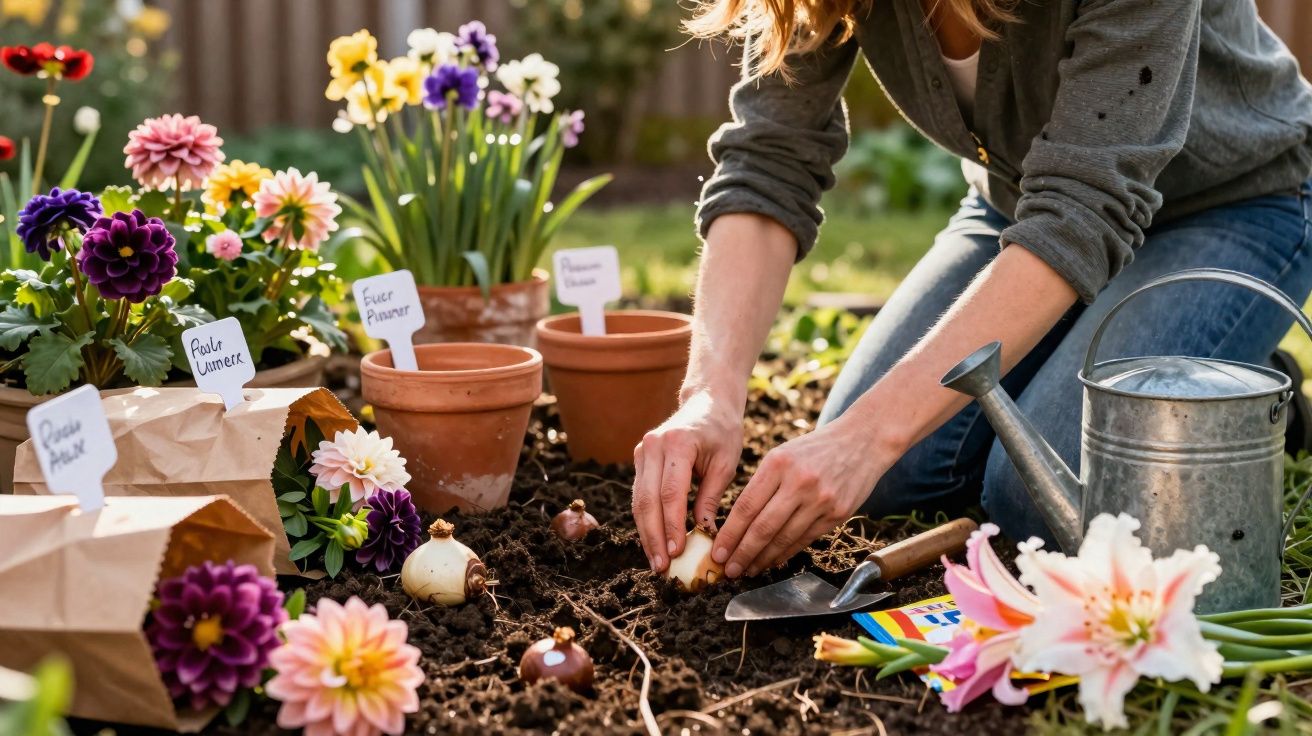
Many home gardeners stare at bare beds in spring and wonder where to begin. Lawn mowing? Weeding? According to TV gardener Alan Titchmarsh, the riot of colour in June, July and August is decided long before then - underground, with the right summer bulbs.
Why March is the hidden key month for summer flowers
March usually brings milder weather, longer days and soil that begins to thaw properly. Experienced gardeners use that window to plant summer-flowering bulbs and tubers, giving them several weeks to establish roots before the heat arrives.
Planting summer bulbs between late February and early April lays the foundations for strong plants and abundant flower spikes.
Experts such as Alan Titchmarsh and plant specialist Sarah Raven advise putting bulbs into the ground as soon as possible after buying them. If they are left too long in a net or bag, they can dry out or start to rot. Every day on the shelf can cost them energy that would otherwise go into flowers later on.
The pay-off is clear: summer bloomers such as dahlias, gladioli and lilies are relatively low-maintenance. Once planted, they can provide colour from June through August, and often well beyond, without demanding daily attention in the border.
These summer bulbs create truly dramatic flowers
If you want a real “wow” effect in the garden during summer, it pays to look beyond colour alone and think about height and impact too. For borders along a fence or beside a patio, tall varieties are especially effective because they work like a bright floral curtain.
For dramatic, tall borders
- Lilies: Elegant, sometimes scented blooms, ideal for borders and large pots. Varieties range from about 60 cm to well over 1.5 m.
- Gladioli: Long flower spikes that make excellent vase flowers.
- Freesias: Intensely scented and best planted in groups.
- Crocosmias: Slim, slightly wild-looking plants that suit naturalistic borders.
The classic summer standouts can turn an ordinary bed into a real stage:
- Dahlias: Huge flower heads, from simple forms to pompom and cactus types.
- Alliums: Ball-shaped blooms hovering above the border, especially decorative in early summer.
- Begonias: Ideal for partial shade, and also excellent in pots and window boxes.
- Bearded irises: Bold, upright flowers that add strong structure to a border.
Many professionals prefer planting in clusters rather than as singles. Three to six bulbs of the same variety planted close together create far stronger blocks of colour than scattered individual plants. Seen from the terrace, the result is a solid cushion of bloom rather than a handful of isolated spots.
Summer bulbs for balconies, patios and small gardens
If space is limited, you can still follow Alan Titchmarsh’s advice by choosing generous flowering plants for containers:
- Begonias: Reliable repeat bloomers for pots and boxes.
- Petunias: Trailing or upright, ideal for balconies and hanging baskets.
- Verbenas: Form mats of colour and elegant cascading trails.
- Rudbeckias: Sunflower-like in appearance, tough and eye-catching.
On a balcony in particular, a few well-chosen containers can create the effect of a continuous wall of flowers, without making you spend hours watering every single day.
How to plant and water summer bulbs properly
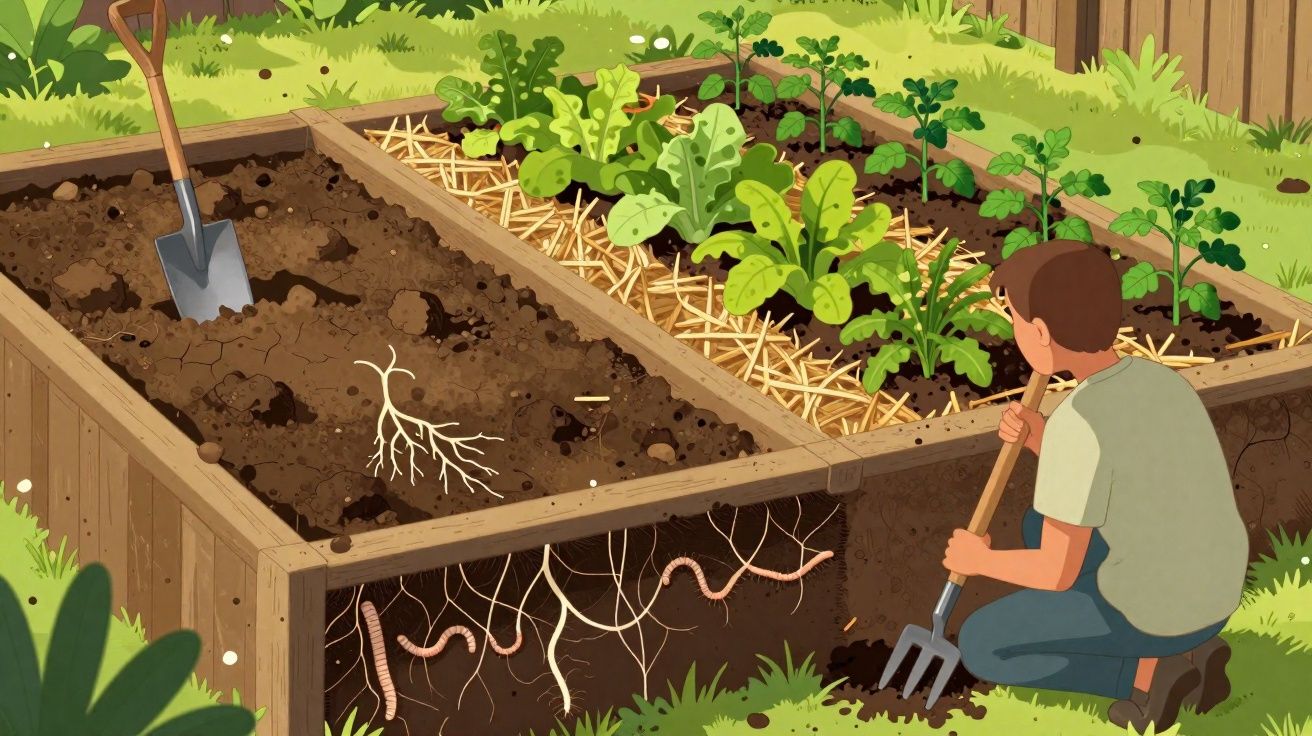
The basic rule for all bulbous plants is simple: avoid waterlogging. Whether you are planting in a border or in a pot, the soil should be loose and free-draining.
In pots: terracotta, drainage and the right depth
Alan Titchmarsh likes to use large terracotta pots. They look attractive, and they also allow moisture to evaporate gradually through the sides, which helps prevent soggy roots.
- Check that the drainage hole is open and clear it if necessary.
- Add a thin layer of gravel or broken crocks.
- Place the bulbs with the pointed end facing upwards.
- Fill with peat-free potting compost, leaving a watering space at the top.
Planting depth depends on the size of the bulb. A good rule of thumb is to cover the bulb with roughly two to three times its own height in soil. Smaller tubers can be planted more shallowly, while larger dahlia tubers sit a little deeper.
In borders: loosen the soil and plant in groups
The same principle applies in garden soil. Lilies, in particular, prefer a well-drained site with a little sand or grit mixed in so the roots do not suffocate.
| Plant | Recommended planting depth | Spacing |
|---|---|---|
| Lilies | 15–20 cm | 20–30 cm |
| Gladioli | 8–12 cm | 10–15 cm |
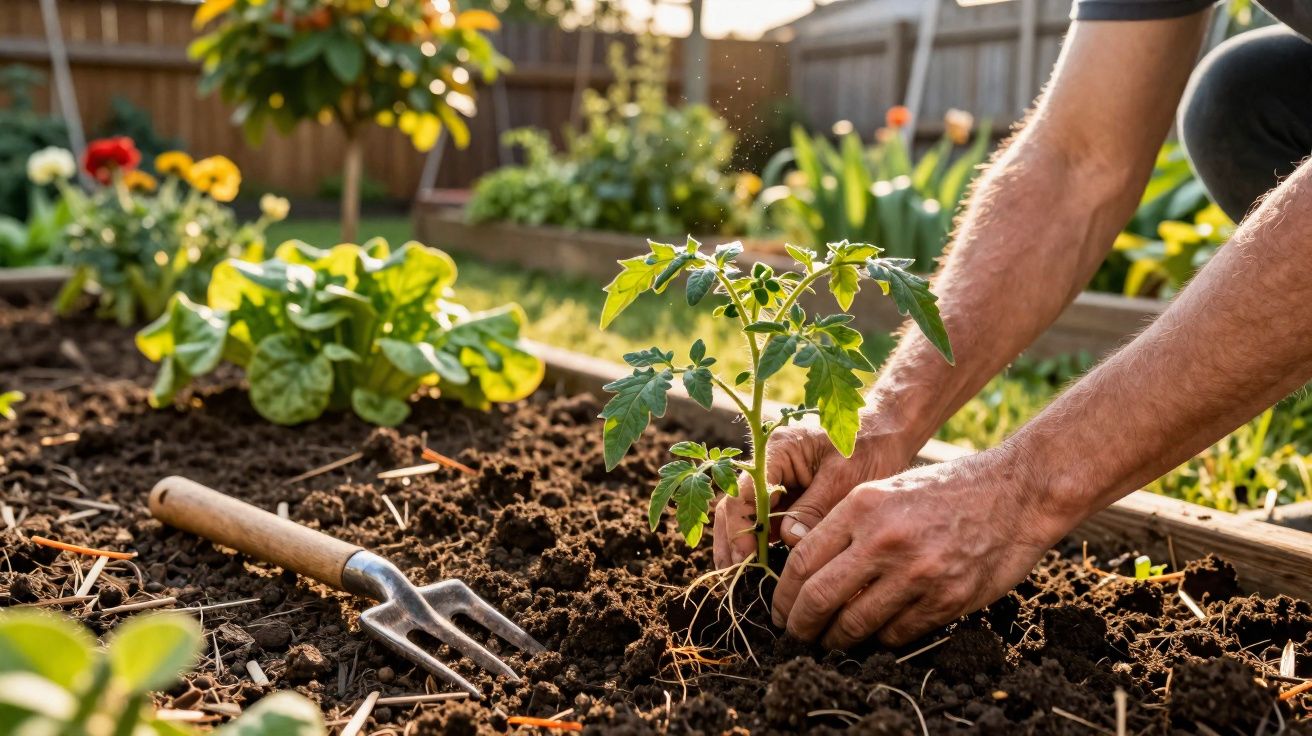
| Dahlia tubers | 5–10 cm | 40–60 cm |
| Begonias | 3–5 cm | 15–20 cm |
After planting, water thoroughly, then allow the soil to dry slightly again. It is better to water deeply and less often than to give a little every day. That encourages roots to grow downward and find moisture reserves for themselves.
“Water thoroughly once, then let the soil dry back a little - that keeps the bulbs healthy and the flowers going for longer.”
A further advantage of this approach is that deep watering helps plants cope better during warm spells. Once roots have travelled further down into the soil, they are less dependent on surface moisture and are usually more resilient if a dry week arrives.
Hidden pests: how to protect your bulbs from thrips
One issue many gardeners do not think about is hiding not on the leaf, but often already in the packaging: thrips. These tiny insects conceal themselves between the layers of the bulb, lay eggs there and then move onto buds and leaves in spring.
Typical damage includes:
- Deformed, misshapen flower buds
- Silvery streaks on leaves and petals
- Brown or dried-out patches
A quick inspection before planting can save a lot of trouble. Discard any soft, mouldy or heavily marked bulbs at once. Firm, clean bulbs can be prepared as follows:
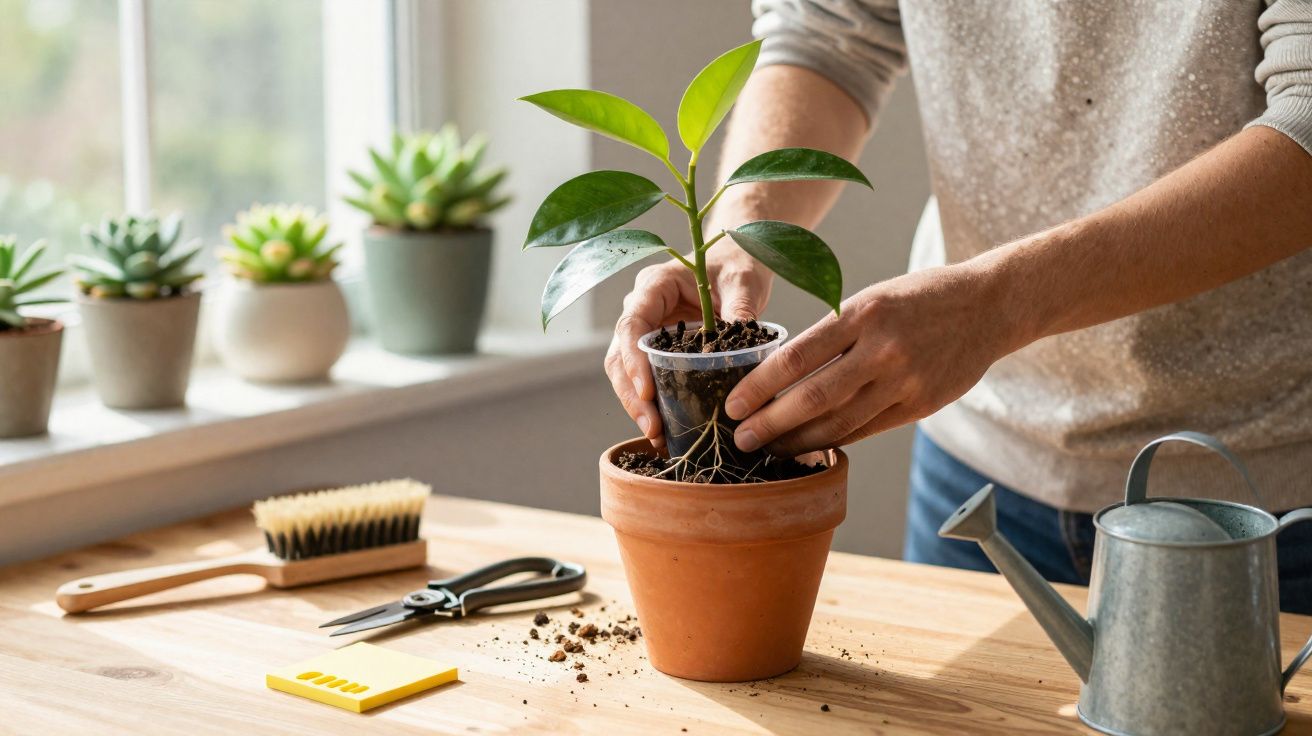
- Gently clean the bulbs with a soft brush.
- Spray them with a mix of 1 litre of water and 1 tablespoon of mild soap-based insecticide or gentle soft soap.
- Leave them to dry properly.
- Repeat the treatment after three days.
For gladioli, ranunculus or anemones, some gardeners also recommend a short soak of a few hours in a very weak disinfectant solution. That is not suitable for tulips, daffodils or dahlias, which are more sensitive.
If thrips are already active in the border, a combined approach works best: spray the foliage in the evening with soapy water, place yellow sticky traps nearby, remove badly affected plants and store only healthy tubers cool and dry at 2–4 °C. Simply putting bulbs from warm, dry garages back into the ground next year without checking them often leads to disappointing flowering.
Planning, combinations and aftercare
If you plant in March, you can plan the whole garden with some strategy. A blend of early, mid-season and late-flowering plants helps prevent gaps.
- Alliums and bearded irises for early summer
- Lilies, gladioli and begonias for the main season
- Dahlias and late crocosmias for August and early autumn
Effective border combinations might include tall lilies at the back, airy verbenas in front of them, and low begonias or petunias at the front. This creates a layered look rather than a flat one.
It is also important not to cut the foliage off too soon after flowering. Even if the yellowing leaves look untidy, they are still feeding the bulb with reserves for next year. A useful trick is to disguise fading plants with low-growing perennials or ground-cover plants.
When flowers begin to fade, deadheading also helps many varieties keep going for longer. Removing spent blooms encourages the plant to channel its energy into fresh buds instead of seed production, which can extend the display well into summer.
If you are new to the whole idea, start with one or two large pots. A container of begonias and another of dahlias or gladioli will show, within a single summer, just how powerful March planting can be. After that, the temptation to redesign an entire border next year usually follows naturally.
The real advantage is simple: an hour’s work in March, a few well-chosen bulbs, and the garden looks as though a professional has been tending it every day for months. That is exactly why summer bulbs are such a quiet secret weapon of the gardening season.

Comments
No comments yet. Be the first to comment!
Leave a Comment